The honest answer is: it depends, but usually no
We get asked this constantly. Someone has a dirty pair of Nikes or a beat-up New Balance 990 and they're standing in front of the washer wondering if they can just toss them in on a gentle cycle. It feels logical. Clothes go in, clothes come out clean. Why not shoes?
Here's the real answer: some sneakers survive a machine wash. Most don't come out better for it.
What actually happens inside the drum
The washing machine is a mechanical environment. It tumbles, it soaks, it heats. For sneakers, that combination creates several problems at once.
Glue breaks down. The adhesives bonding the upper to the midsole are not designed for sustained water immersion and heat. Over one or two cycles, you may not notice. Over time, or in one hot wash, the bond fails. Soles start separating. That's irreversible.
Shape distorts. Mesh and knit uppers, common on runners like the Nike Air Max or Adidas Ultraboost, can warp or stretch when tumbled wet. The structure they came with doesn't always come back once it's gone.
Leather and suede are immediately out. Water damages the grain on leather and collapses the nap on suede. A single machine wash on a suede pair can cause permanent texture loss. If you have Jordans with leather overlays or any pair with suede panels, the machine is not an option.
Foam midsoles absorb water. They take a long time to dry fully, and if they don't dry all the way through, you get mold and odor locked inside the shoe where you can't reach it.
The pairs that fare best in a machine are simple canvas sneakers, like basic canvas Vans or Converse, with no leather, no suede, no structured foam, and no heat-sensitive glue. Even then, cold water and air drying are non-negotiable.
How we approach it at Shoozas
Every pair that comes through our studio gets hand cleaned. No machines, not even on the most durable canvas pairs.
We open every order with a material assessment: upper type, sole construction, color sensitivity, stain type, lining condition. That determines the entire cleaning sequence. A mesh runner gets a completely different process than a white leather low-top.
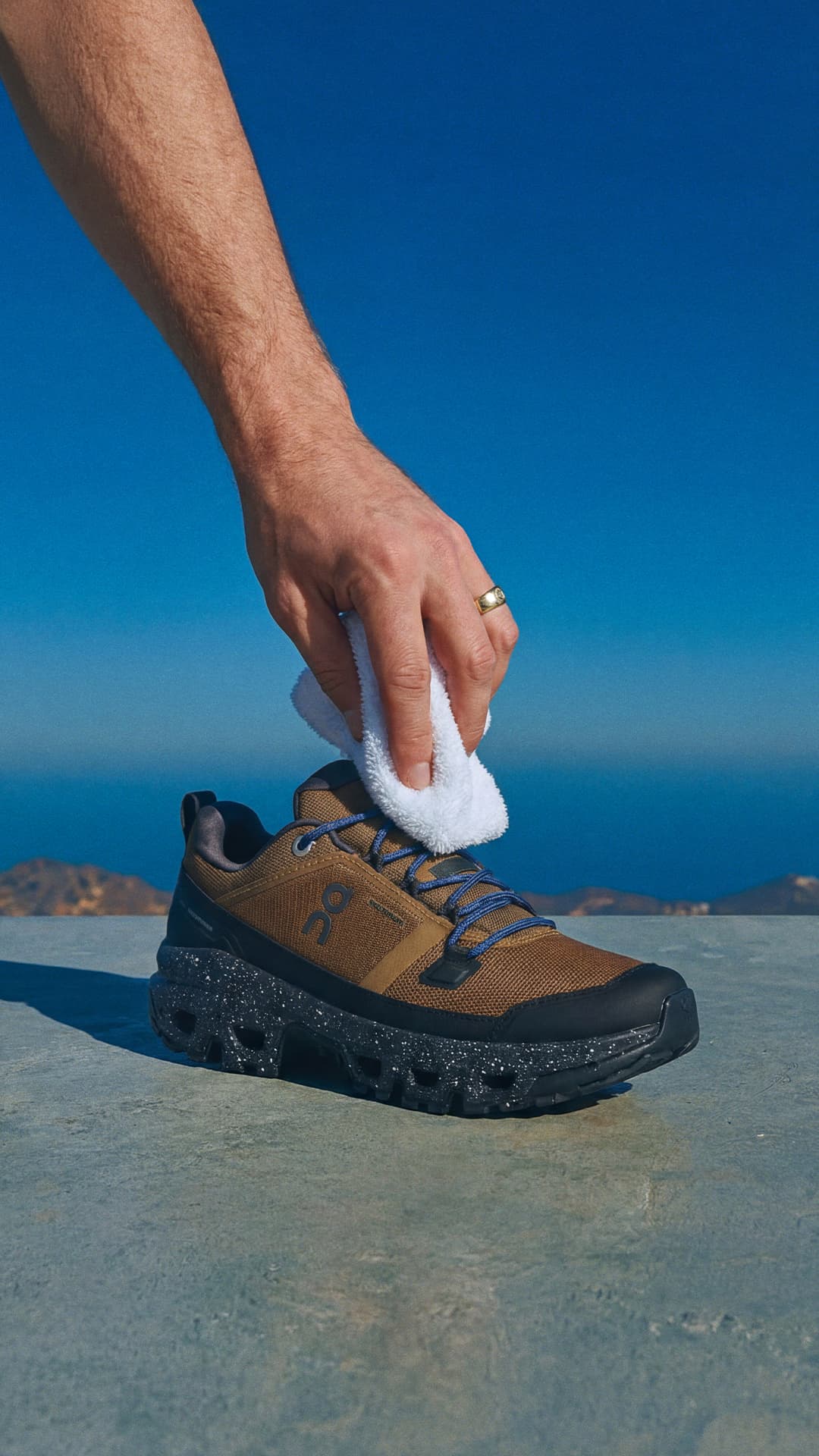
For mesh and fabric uppers, we work with soft bristle tools and controlled moisture so the structure stays intact. For midsoles and outsoles, we go harder where the material allows it. The process is slower than a machine. That's the point.
What cleaning can and can't do
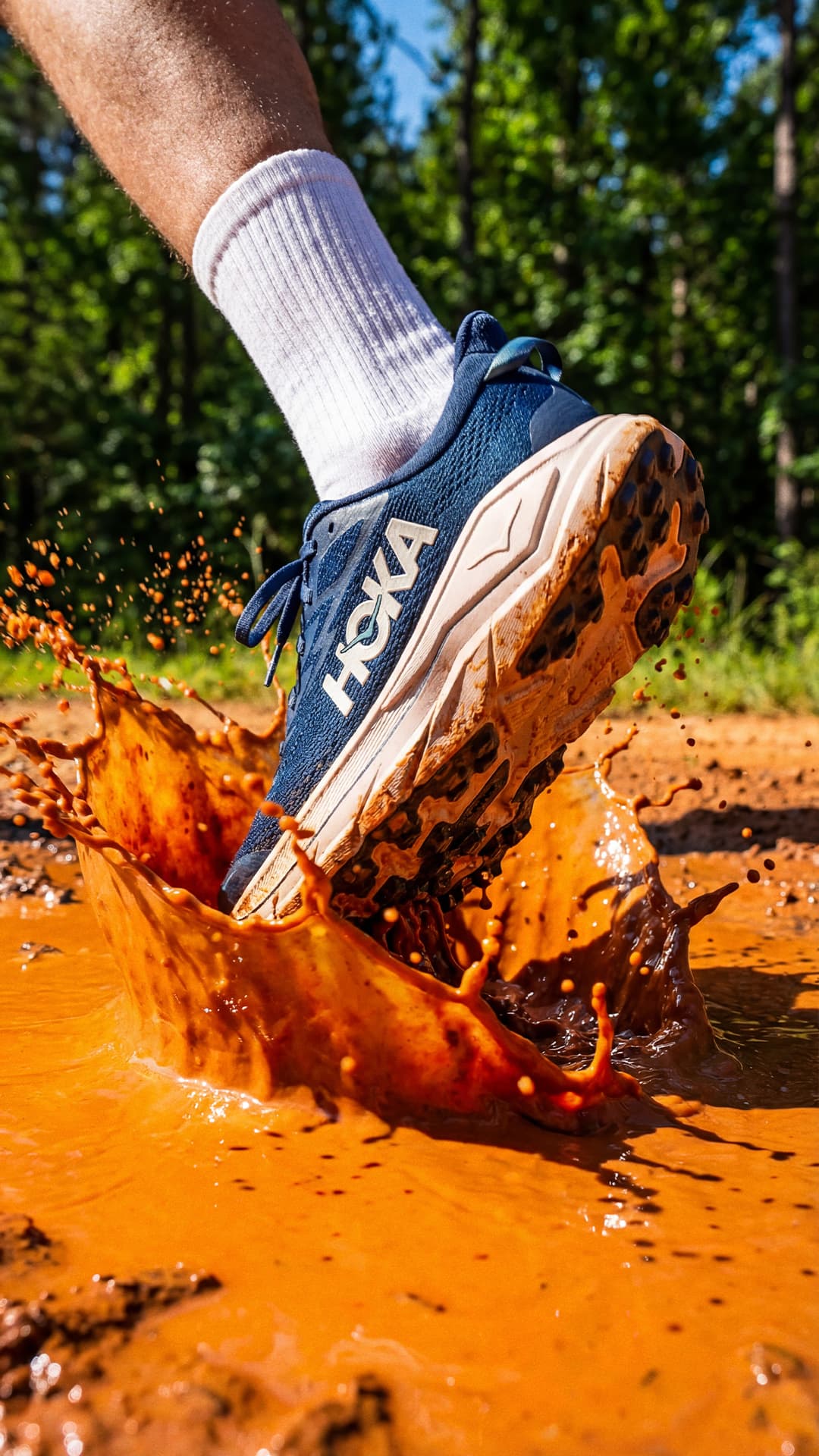
A thorough hand clean removes surface dirt, mud, most food and drink stains, and odor from the lining. That covers the vast majority of what people want when they say their pair needs cleaning.
What cleaning can't do: it can't reverse material damage that already happened. If your mesh has stretched from a previous machine wash, that shape is set. If your midsole glue has already started separating, cleaning won't rebond it. We'll tell you that upfront if we see it when we assess your pair.
Cleaning also won't remove deep dye transfer from fabric or leather, or fix sole yellowing caused by UV oxidation. Those are outside the scope of any cleaning service, ours included.
If your pair needs a refresh
Skip the machine. The risk isn't worth it on anything you actually care about.
If you'd rather not spend an hour hand scrubbing, that's exactly what we're here for. Ship your pair to us with the prepaid label, we clean it by hand and ship it back. You can check the FAQ if you have questions about the process or materials we work with.